

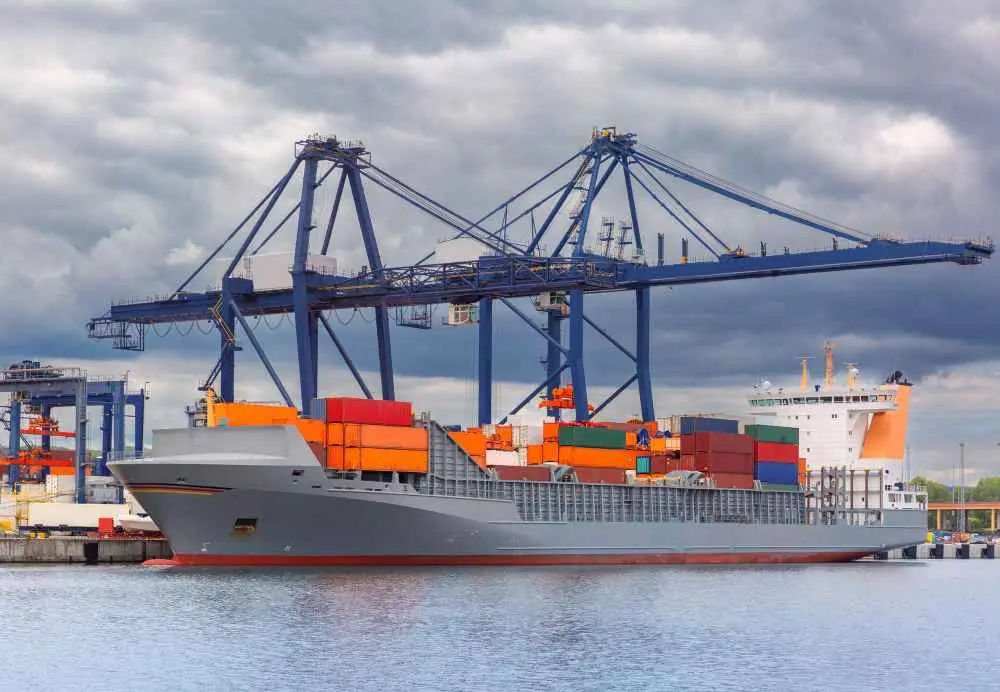
Not every shipment fills a whole container and that’s completely fine. LCL shipping lets you share container space with other shippers, saving money while keeping your cargo moving across the globe. It’s basically carpooling for freight: practical, affordable, and efficient. Whether you’re sending a few pallets or testing new markets, LCL gives small businesses a simple way to trade internationally without the full-container price tag.
- Key Takeaways
- What is LCL Shipping?
- How LCL Shipping Works
- The LCL Shipping Process: Step-by-Step
- Cargo Consolidation and Deconsolidation Explained
- Transit Time and Scheduling
- Advantages of LCL Shipping
- Industries That Benefit Most from LCL Shipping
- Understanding LCL Shipping Costs
- Example of LCL Cost Breakdown
- Hidden Fees and Surcharges to Watch For
- Documentation Required for LCL Shipping
- Digital Tools and Tracking in LCL Shipping
- Challenges and Limitations of LCL
- Common Mistakes in LCL Shipping and How to Avoid Them
- How to Get the Best LCL Rates
- LCL vs FCL: Which One Should You Choose?
- Conclusion
Key Takeaways
- LCL helps you ship smaller loads affordably by sharing container space with others.
- Good packing, accurate paperwork, and clear labels keep your shipment safe and on time.
- Planning and using digital tracking tools saves money and avoids stress.
What is LCL Shipping?
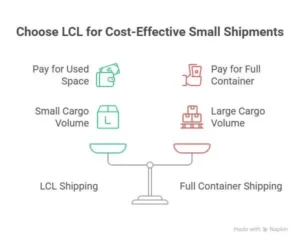
LCL stands for Less than Container Load. It’s a shipping method where multiple smaller shipments share space inside one container. You only pay for the space your cargo uses, not the entire container.
It’s a great fit for small or medium businesses that don’t have enough goods to fill a full container. Basically, it is like sharing a taxi, where each one pays for their part of the trip and all get to their destination.
How LCL Shipping Works
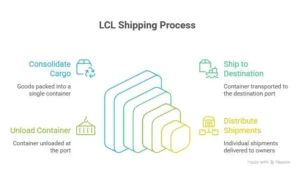
If you opt for LCL, your freight forwarder picks up your goods and combines them with shipments from other businesses bound for the same destination. Once the container is packed, it’s sealed and loaded onto the ship.
At the destination port, the container is opened, and each shipment is sorted and sent to its final delivery point. There’s a bit more handling involved compared to FCL, but for smaller shipments, it’s a much more cost-friendly option.
The LCL Shipping Process: Step-by-Step
Cargo Consolidation and Deconsolidation Explained
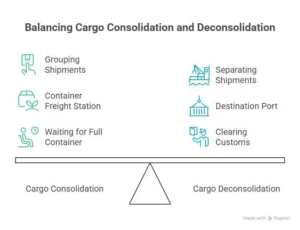
LCL starts with consolidation — that’s when your cargo is grouped with others headed in the same direction. This usually happens at a Container Freight Station (CFS). Once the container’s full, it’s sealed and sent off to sea.
When it arrives at the destination port, the opposite happens — deconsolidation. The container is opened, and each shipment is separated, cleared through customs, and delivered to its final stop. It’s a well-organized system that helps keep small shipments moving efficiently and affordably.
Transit Time and Scheduling
LCL shipping usually takes a little longer than FCL. Since your goods share container space, the forwarder has to wait until the container is filled before sending it off. There might also be a few extra stops during the trip.
Still, for most small businesses, the savings make the extra days worth it. Planning ahead and knowing your forwarder’s schedule helps you manage delivery timelines without stress.
Advantages of LCL Shipping
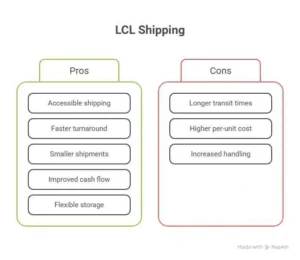 LCL makes international shipping accessible to everyone. There is no need for you to hold on to your goods until you have enough to fill a container-just go ahead and ship them whenever you want. That means faster turnaround times and smaller, more manageable shipments.
It also helps with cash flow and storage. Instead of buying and holding large amounts of stock, you can ship smaller batches more often. For e-commerce sellers, startups, and seasonal brands, that flexibility is gold.
Industries That Benefit Most from LCL Shipping
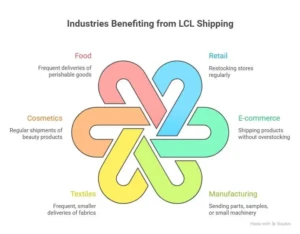
LCL is used across a wide range of industries. Retailers depend on it to restock stores regularly. E-commerce sellers use it to ship products without overstocking. Manufacturers send parts, samples, or small machinery through it.
Even industries like textiles, cosmetics, and food use LCL for frequent, smaller deliveries. If your business values agility, lower costs, and less waiting, LCL is the right fit.
Understanding LCL Shipping Costs
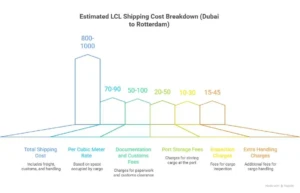
LCL pricing depends on how much space and weight your cargo takes up — whichever costs more. Freight forwarders calculate it using CBM (cubic meters) or weight per ton. The total cost also depends on the shipping route, type of goods, and port fees.
Your final rate includes freight charges, customs clearance, and handling at both ends. LCL is usually less expensive than FCL for small quantities of goods, but it may involve some additional charges that you should be aware of.
Example of LCL Cost Breakdown
Let’s say you’re sending three pallets of goods from Dubai to Rotterdam. You might pay somewhere between 70 and 90 dollars per cubic meter, plus fees for documentation and customs. When it’s all added up, your shipment could cost around 800 to 1,000 dollars. It is still far below what you’d pay for a full container.
Rates change depending on the season and destination, but LCL gives you flexibility to ship affordably whenever you need to.
Hidden Fees and Surcharges to Watch For
Some costs can sneak up if you’re not careful. Port storage fees, inspection charges, or extra handling during consolidation can raise your total. Because you’re sharing a container, delays from another shipper’s cargo can sometimes affect yours.
Before booking, ask your forwarder for the full cost breakdown. The more transparent they are, the smoother your experience will be.
Documentation Required for LCL Shipping
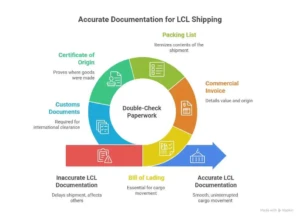
LCL shipping uses almost the same paperwork as FCL. You’ll need a Bill of Lading, a Commercial Invoice, a Packing List, a Certificate of Origin, and customs documents.
Since your cargo travels with others, accuracy is everything. A small mistake in your details could delay not just your shipment, but others too. Double-check your paperwork before dispatch it’s the simplest way to keep your cargo moving without interruptions.
Digital Tools and Tracking in LCL Shipping

Today, tracking an LCL shipment is easier than ever. Most freight platforms offer real-time tracking, automatic status updates, and digital document storage. You can see exactly where your cargo is and when it’s arriving.
These digital systems also make quoting, booking, and payments faster. That means less time worrying about paperwork and more time running your business.
Challenges and Limitations of LCL
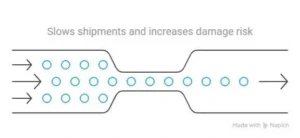
LCL isn’t as fast as FCL because of the extra steps, such as consolidating, deconsolidating, and handling multiple shipments. Containers are opened and sorted more often, so there is a higher risk of minor damage.
But with proper packaging and a reliable freight partner, those risks are minimal. The key is to pack securely and work with a forwarder who communicates well and updates you regularly.
Common Mistakes in LCL Shipping and How to Avoid Them
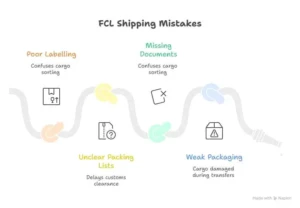
The same mistakes that trip up FCL shipments can happen with LCL, too. Poor labelling, unclear packing lists, and missing documents are the usual culprits. These small oversights can delay customs clearance or confuse when sorting your cargo at the port.
Always label your boxes clearly, match your paperwork perfectly, and use sturdy packaging that can handle a few transfers. Small details make a big difference when your shipment shares space with others.
How to Get the Best LCL Rates
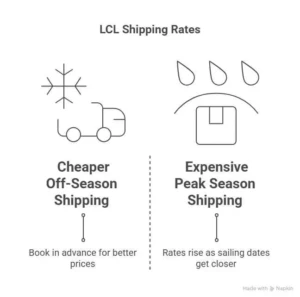
The best way to get good LCL rates is to plan early. Freight rates rise as sailing dates get closer. Off-season shipping is cheaper, and booking in advance locks in better prices.
Find a freight forwarder who’s transparent about costs and communication. If you ship regularly, sticking with one provider often earns you loyalty discounts and priority space during busy times.
LCL vs FCL: Which One Should You Choose?
| Factor | LCL (Less than Container Load) | FCL (Full Container Load) |
| Space | Shared with other shipments. | Entire container is yours. |
| Cost | Lower total cost, higher per-unit cost. | Higher total cost, cheaper per unit when full. |
| Transit Time | Slower because of consolidation. | Faster and more direct. |
| Handling | More handling and slightly higher risk. | Minimal handling, safer overall. |
| Best For | Smaller or frequent shipments. | Large, valuable, or bulk cargo. |
If you’re sending smaller shipments or just starting out, LCL gives you flexibility and affordability. Once your volume grows, FCL might make more financial sense for your business.
Conclusion
LCL shipping makes international trade possible for everyone — not just big companies. It’s flexible, budget-friendly, and easy to manage when you partner with the right forwarder.
Sure, it takes a little longer, but the convenience and savings make it worth it. Whether you’re testing new markets or restocking small batches, LCL keeps your business moving without needing a full container every time.
To learn more about sea freight forwarding, explore our related blog articles!
- Sea Freight Forwarding Guide: Everything You Need to Know
- Types of Sea Freight Shipping
- What is Full Container Load (FCL)
- Step-by-Step Sea Freight Forwarding Process
- What Affects Sea Freight Rates?
- Benefits of Using Sea Freight Forwarding
- Challenges of Sea Freight Forwarding
- Choosing the right sea freight forwarder
- Top Sea Freight Forwarders in the UAE
- Getting a Quote & Finding Sea Freight Providers
- Key Documents Involved in Sea Freight Forwarding