
Looking for tips on choosing the right sea freight forwarder and wondering how to choose the right sea freight forwarder? You’re not alone. Picking the wrong shipping partner can turn your business into a stress fest. This guide breaks down everything you need to know to find a forwarder who actually cares about your business and won’t vanish when things get complicated.
- Key Takeaways
- Step 1 – Define Your Shipping Requirements
- Shipment Type, Size, and Frequency
- Destination Countries and Regulations
- Type of Cargo: General, Perishable, Hazardous, or High-Value
- Step 2 – Evaluate Industry Experience and Credentials
- Years of Experience in Sea Freight
- Sector-Specific Knowledge (e.g., Medical, Electronics, Automotive)
- Licenses, Certifications, and Insurance
- Understanding of International Shipping Laws and Documentation
- Step 3 – Check Global Network and Carrier Partnerships
- Access to Major Ports and Trade Routes
- Relationships with Ocean Carriers and Port Authorities
- Presence in Key Regions or Countries
- Step 4 – Review Services Offered
- Full-Container Load (FCL) vs. Less-than-Container Load (LCL)
- Customs Brokerage Services
- Warehousing, Packaging, and Inland Transport
- Specialized Handling for Sensitive Equipment
- Step 5 – Assess Technology and Tracking Capabilities
- Real-Time Tracking and Shipment Visibility
- Integration with Your Systems
- Digital Documentation and Automated Updates
- Step 6 – Understand Pricing and Transparency
- Clear Breakdown of Freight Costs
- Hidden Fees and Surcharges
- Cost Comparison Across Routes and Volumes
- Step 7 – Customer Service and Responsiveness
- 24/7 Support Availability
- Transparent, Proactive Communication
- Issue Resolution and Claims Handling
- Client Testimonials and Case Studies
- Step 8 – Value-Added Benefits That Matter
- Risk Management and Insurance Options
- Sustainability Practices and Green Shipping
- Compliance with Customs and Border Regulations
- Scalability for Growing Businesses
- Checklist for Choosing a Sea Freight Forwarder
- Do they match your cargo type and volume?
- Are they experienced in your industry?
- Do they offer flexible, transparent service?
- Are their tech tools easy to use and reliable?
- Are they responsive and proactive?
- Why Choosing the Right Sea Freight Partner Matters
- Common Mistakes to Avoid
- Conclusion
Key Takeaways
- Learning how to choose the right sea freight forwarder starts with finding someone who actually knows your type of cargo and can handle your shipping volume without breaking a sweat
- Make sure they’ve got solid connections with carriers and ports in the places you ship to—weak networks mean delays and headaches
- Check out their tracking tools and tech setup because nobody has time to play guessing games with their shipments
- Look for straight shooters who explain their pricing upfront and respond to your emails before you have to send three follow-ups
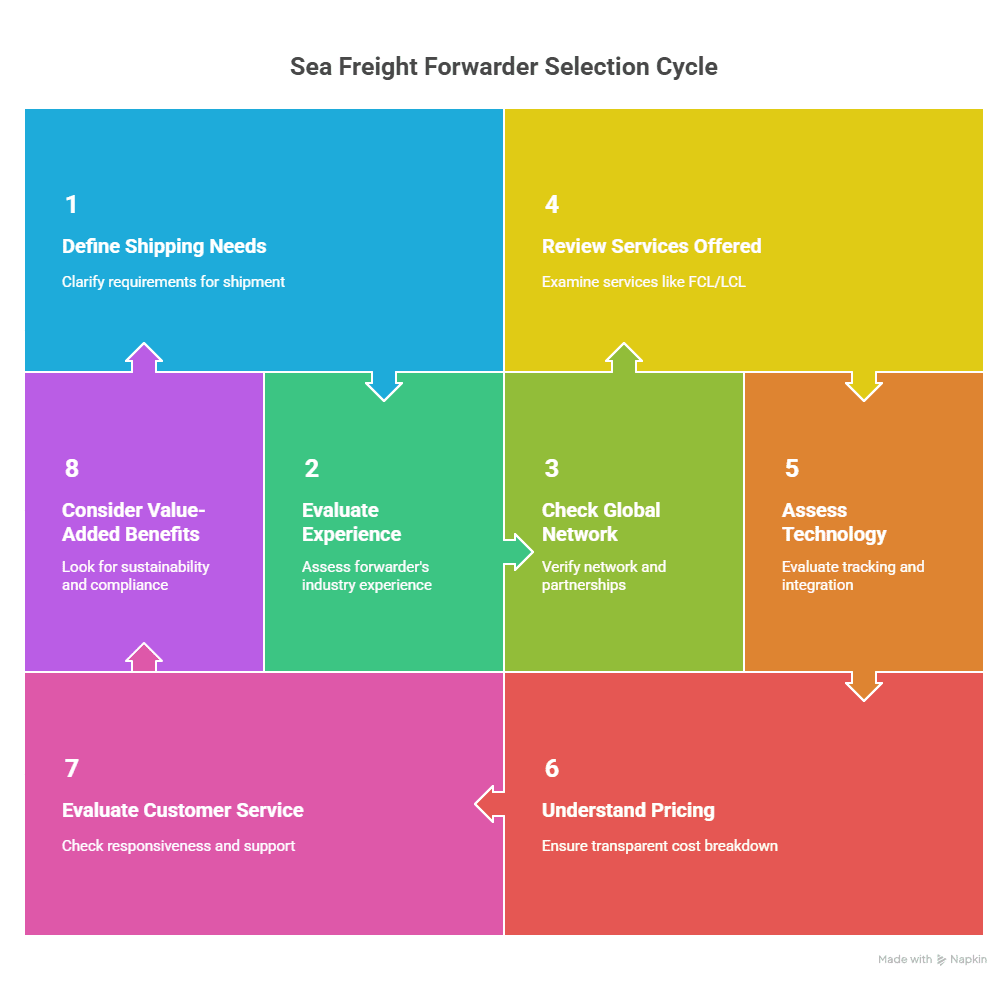
Step 1 – Define Your Shipping Requirements
Before you call anyone, get clarity on what you actually need.
Shipment Type, Size, and Frequency
Are you shipping once a month? Every week? One-time-only? Know how much you’re moving and how often.
Destination Countries and Regulations
Every country plays by different rules. A forwarder should know the ins and outs—so you’re not stuck at customs.
Type of Cargo: General, Perishable, Hazardous, or High-Value
If you’re shipping frozen food or lithium batteries, your freight partner better know what they’re doing or you risk fines, damage, or worse.
The foundation of choosing the right sea freight forwarder is getting crystal clear on your actual needs first. Without knowing your shipping volume and destination regulations, you’re just guessing at what kind of partner you need.
Step 2 – Evaluate Industry Experience and Credentials
This part is like checking someone’s resume before hiring them.
Years of Experience in Sea Freight
You don’t want someone fresh out of freight school. Searching for an experienced team and capable of solve real-world problems.
Sector-Specific Knowledge (e.g., Medical, Electronics, Automotive)
Do they speak your industry’s language? If not, you’ll waste a lot of time explaining.
Licenses, Certifications, and Insurance
Ask for proof. A good forwarder will show you without blinking.
Understanding of International Shipping Laws and Documentation
If your forwarder messes this up, your cargo could get delayed—or worse, seized.
This evaluation process demonstrates that to choose right ocean freight forwarder requires checking both industry experience and regulatory knowledge. One without the other leaves your cargo vulnerable to delays or worse.
Step 3 – Check Global Network and Carrier Partnerships
Your freight forwarder should have friends in the right places.
Access to Major Ports and Trade Routes
If they can’t get your goods to big ports quickly, you’ll be stuck with delays.
Relationships with Ocean Carriers and Port Authorities
Stronger connections mean faster responses and better rates.
Presence in Key Regions or Countries
If your business touches the Middle East, Africa, or Asia, your forwarder should already operate there. Otherwise, you’re gambling.
This network evaluation shows that knowing how to choose the right ocean freight forwarder means looking at their connections, not just their promises. Strong carrier relationships and port access directly impact your shipping speed and costs.
Step 4 – Review Services Offered
Your needs might go beyond just moving stuff from A to B.
Full-Container Load (FCL) vs. Less-than-Container Load (LCL)
Got a ton of goods? Go FCL. Only a few pallets? LCL works. Your forwarder should help you choose wisely.
Customs Brokerage Services
Someone needs to handle all that paperwork. If your forwarder can do it in-house, that’s one less thing on your plate.
Warehousing, Packaging, and Inland Transport
You may need storage, repacking, or final delivery. A forwarder that does all three can save you time and stress.
Specialized Handling for Sensitive Equipment
Shipping medical machines? Delicate electronics? Ask if they have trained teams for that.
This comprehensive approach reveals that choosing the best sea freight forwarder isn’t about finding a shipping company, it’s about finding a logistics partner who can manage everything from container optimization to final delivery.
Step 5 – Assess Technology and Tracking Capabilities
You shouldn’t be left wondering where your shipment is.
Real-Time Tracking and Shipment Visibility
You want to see updates as they happen, not three days later.
Integration with Your Systems
If you use software to manage orders, your forwarder’s tools should plug right in.
Digital Documentation and Automated Updates
No more digging through emails for a shipping form. The best systems handle that for you.
This digital assessment demonstrates that selecting the right sea freight forwarder for business means choosing partners who understand that information flow matters as much as cargo flow. Integrated systems eliminate bottlenecks and reduce errors.
Step 6 – Understand Pricing and Transparency
A fair quote should feel clear—not like a riddle.
Clear Breakdown of Freight Costs
What’s included? What’s not? Ask for a line-by-line breakdown.
Hidden Fees and Surcharges
No one likes surprises, especially expensive ones.
Cost Comparison Across Routes and Volumes
Your forwarder should suggest cheaper or faster routes based on what you’re sending.
This financial evaluation proves that how to choose ocean freight forwarders means looking beyond the headline rate to the total cost picture. Route recommendations and volume optimization separate consultative partners from order-taking vendors.
Step 7 – Customer Service and Responsiveness
Things don’t always go perfectly. That’s why support matters.
24/7 Support Availability
Delays happen at night and on weekends, too. Can you reach someone when it counts?
Transparent, Proactive Communication
If there’s a delay, will they tell you—or wait for you to find out?
Issue Resolution and Claims Handling
Mistakes happen. You want a team that owns up and fixes things fast.
Client Testimonials and Case Studies
Ask around. Real stories from other businesses can show you how they work under pressure.
The key insight here is that how to find the best sea freight forwarder requires finding someone who treats problems as opportunities to prove their value. Real stories from other businesses tell you more than any sales pitch ever could.
Step 8 – Value-Added Benefits That Matter
Some forwarders go the extra mile.
Risk Management and Insurance Options
If your cargo is valuable, get the right protection—and ask your forwarder what they recommend.
Sustainability Practices and Green Shipping
More companies want eco-friendly options. Your forwarder should be on board.
Compliance with Customs and Border Regulations
This should be automatic. If they’re not on top of this, run.
Scalability for Growing Businesses
Your shipping needs today might be simple—a few pallets here and there. But what about next year? Or five years from now?
When you’re selecting the right sea freight forwarder for business, think long-term. You want someone who can grow with you.
If you suddenly land a big client and need to move double the volume, your forwarder shouldn’t panic. They should already have a plan.
This breakdown shows exactly how to choose the right sea freight forwarder without getting caught off guard by hidden costs or poor service. The key is treating it like hiring—you wouldn’t hire someone without checking their background, and choosing the best ocean freight forwarder works the same way.
This final step demonstrates that choosing the right sea freight forwarder means looking for someone who anticipates future needs like sustainability requirements and risk management. The best partners stay ahead of industry trends, not behind them.
Checklist for Choosing a Sea Freight Forwarder
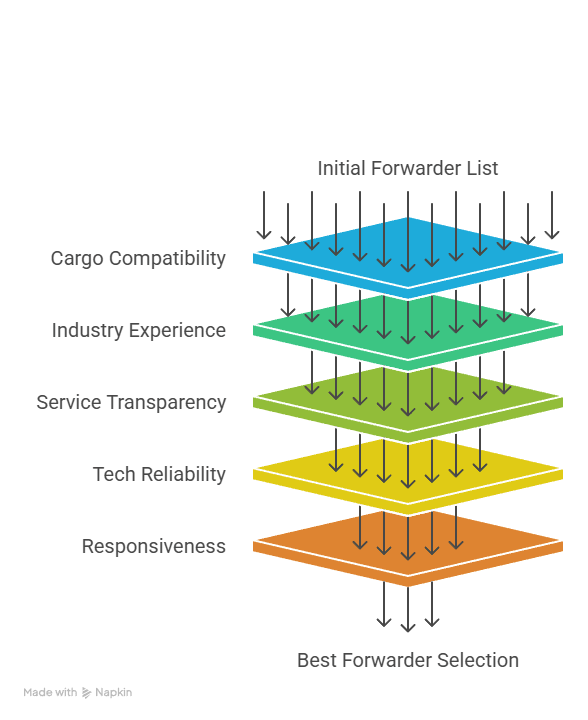
Not all freight partners are the same. Here’s a quick checklist to help you see if someone’s the right fit:
Do they match your cargo type and volume?
If you’re shipping one box or a full container, your forwarder should handle that size with ease. They shouldn’t be guessing.
Are they experienced in your industry?
If you’re in automotive, electronics, or even pet food, your forwarder should already have clients like you. That way, they know the common snags.
Do they offer flexible, transparent service?
No one likes vague answers or sudden changes. If they’re clear from the start and open to adjusting things based on your needs, that’s a good sign.
Are their tech tools easy to use and reliable?
You shouldn’t need a manual just to track your shipment. Good tech means fewer headaches.
Are they responsive and proactive?
You want someone who answers your emails fast and tells you what’s happening before you have to ask.
Choosing the best sea freight forwarder isn’t about picking the first name that pops up on Google.
It’s more like finding a teammate. Someone who gets what you’re shipping, how much, and where it’s going. Someone who actually replies to emails. Someone who makes the process smooth not confusing.
If they check most of the boxes in that list above, you’re probably on the right track.
This checklist breaks down how to choose the right ocean freight forwarder into simple yes-or-no questions that cut through the sales pitches. When selecting the right sea freight forwarder for business, you’re really looking for a teammate who makes shipping feel effortless, not complicated.
Why Choosing the Right Sea Freight Partner Matters
A good sea freight partner makes your life easier. A bad one? They can delay shipments, cost you money, and damage your reputation. When you choose right, everything else cost, timing, service just works better.
Common Mistakes to Avoid
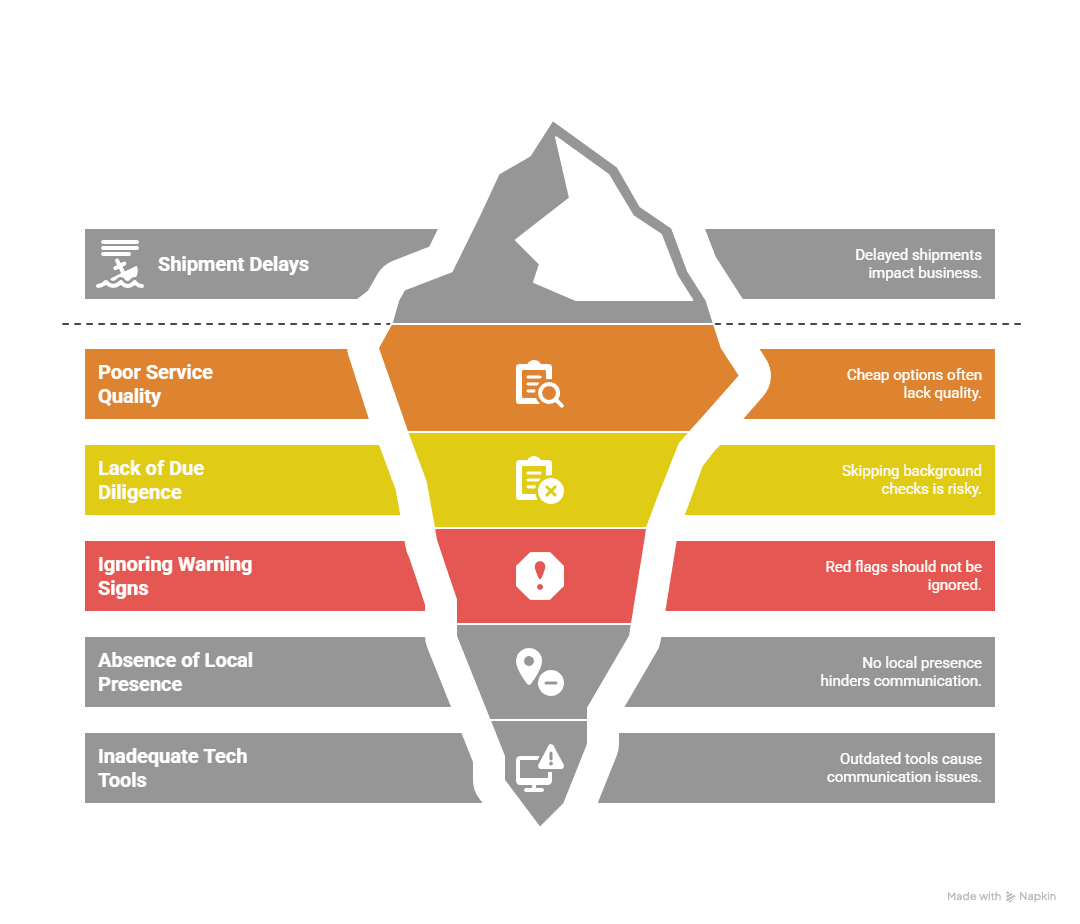
- Going with the cheapest option without checking service quality
- Skipping the background check on licenses and experience
- Ignoring red flags like delayed responses or vague pricing
- Choosing someone with no local presence in key countries
- Not asking about tech tools—then getting stuck using email chains
This consequence breakdown proves that how to choose ocean freight forwarders directly impacts your bottom line and customer satisfaction. The error list highlights that choosing the best sea freight forwarder means prioritizing proven performance over attractive pricing promises.
Conclusion
Now you know how to choose the right sea freight forwarder without falling into the usual traps. We’ve talked about everything from checking credentials to making sure their tech doesn’t make you want to scream. The bottom line? You want a partner, not just a vendor. These tips on choosing the right sea freight forwarder help you find the pros.
At Triroute Shipping, a shipping company in Dubai, UAE, we handle sea freight forwarding the way it should be done, with clear communication, fair pricing, and zero drama. We’ve been moving freight across the globe long enough to know what works and what doesn’t. When you choose us, you get straight answers, competitive rates, and a team that actually cares whether your stuff arrives on time and in one piece.
To learn more about Full Container Load shipping, explore our related blog articles!
- Sea Freight Forwarding Guide: Everything You Need to Know
- Types of Sea Freight Shipping
- What is Full Container Load (FCL)
- Step-by-Step Sea Freight Forwarding Process
- What Affects Sea Freight Rates?
- Benefits of Using Sea Freight Forwarding
- Challenges of Sea Freight Forwarding
- Top Sea Freight Forwarders in the UAE
- Getting a Quote & Finding Sea Freight Providers
- Key Documents Involved in Sea Freight Forwarding