

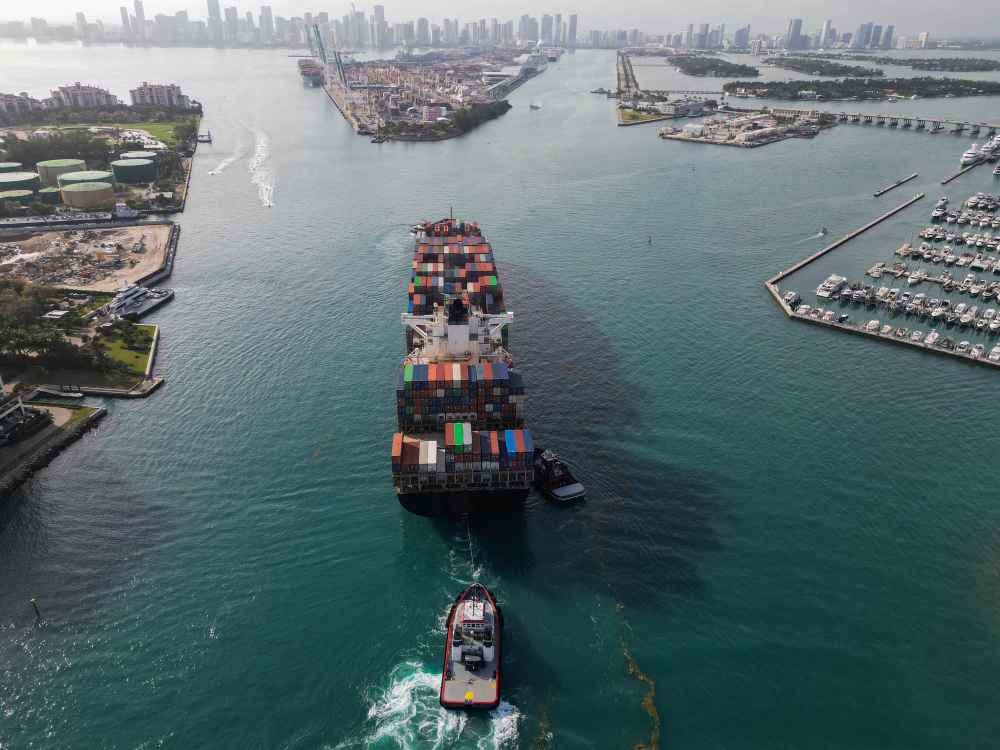
Shipping through the Arabian Gulf is starting to slow down, and it’s already affecting how goods move around the world.
Maersk has paused cargo bookings to and from several countries in the region, including the UAE, Oman, Saudi Arabia, and others. This means containers that would normally move through these routes are now being held back or redirected.
Why? The ongoing conflict in the region has made things unpredictable. Shipping companies don’t want to risk sending ships into areas where safety could be a concern.
What this means for cargo
Think of it like a busy highway suddenly getting blocked. Trucks don’t stop moving—they just take longer routes.
That’s what’s happening here.
Instead of going through the usual paths, companies now have to:
- Find new routes
- Store goods temporarily
- Deal with longer delivery times
And all of this adds extra cost.
Mediterranean Shipping Company (MSC) has taken a similar step. The company said it will stop shipments mid-journey in some cases and hand over the cargo at specific ports. From there, it’s up to the cargo owner to figure out the next move—and pay the extra costs too.
Prices are already going up
Shipping a container is getting more expensive.
- New emergency charges range from $1,800 to $3,800 per container
- MSC has added an extra $800 surcharge
That’s a big jump, especially for businesses moving large volumes.
The Strait of Hormuz is the key problem
A major reason behind all this is the Strait of Hormuz—one of the world’s busiest shipping routes.
Right now, many ships are avoiding this area due to safety warnings. When a route this important slows down, the effects spread fast.
It’s not just about one region. It affects global trade.
Other companies are being cautious too
This isn’t just one or two companies reacting.
- Ocean Network Express has stopped accepting cargo to some Middle East locations
- Emirates Shipping Line has also limited certain shipments
Everyone is watching the situation closely and adjusting step by step.
Haven’t we seen this before?
Yes, something similar happened during the Red Sea shipping crisis.
Back then, ships avoided risky areas, took longer routes, and costs went up—just like now.
What businesses are dealing with
For exporters, this creates a chain reaction:
- Deliveries take longer
- Shipping costs rise
- Contracts may get affected
Even everyday products could become more expensive over time because moving them is costing more.
It’s like when fuel prices go up—everything else follows.
The bigger picture
Global trade works like a web. When one part gets hit, the rest feels it.
Right now, the Gulf is that pressure point. And if this situation continues, the impact won’t stay limited to shipping—it’ll reach markets, businesses, and even regular consumers.
Triroute Shipping, a logistics company in Dubai, keeps a close watch on shifts like these. With support across freight forwarding, air freight, sea freight, land transport, warehousing, and customs clearance, the team helps businesses adjust when routes change and timelines get tighter.
Source: The National News. — story by Fareed Rahman