

Shipping in the Gulf just hit another serious problem.
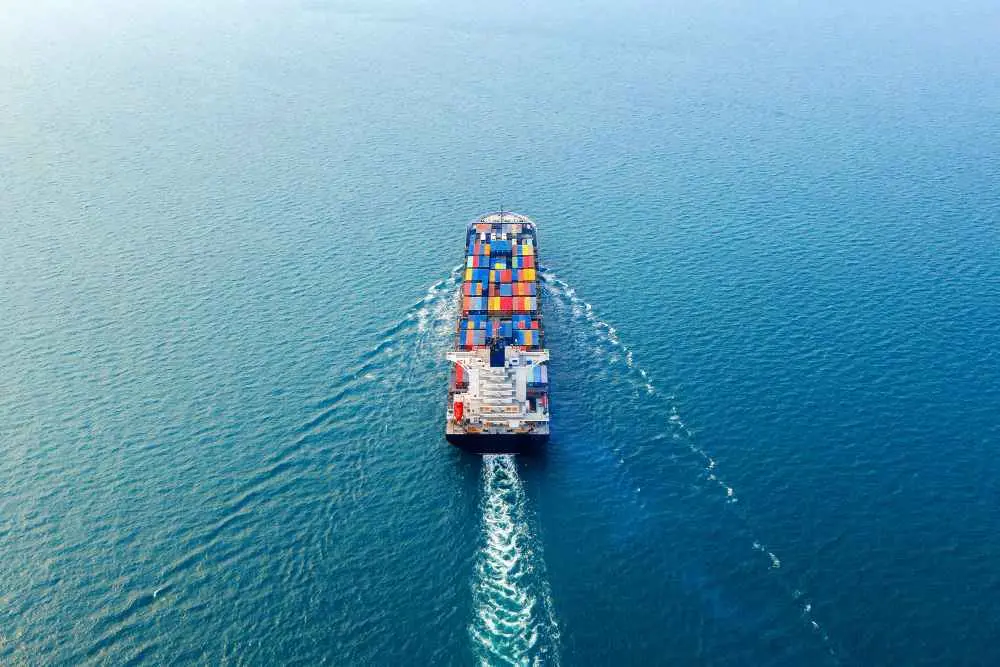
A container ship was attacked near the Strait of Hormuz, forcing the crew to abandon the vessel after a fire broke out on board. The ship, called Safeen Prestige, was sailing close to Oman when it was struck.
The good news? Everyone on board made it out safely.
What exactly happened?
The ship, owned by a UAE-based company, was hit above the waterline. That caused a fire in the engine room—basically the “heart” of the ship.
Once that area is damaged, the ship can’t operate safely. So the crew had no choice but to leave.
This is believed to be the first container ship directly hit in this latest conflict in the region.
A bigger problem: ships are now stuck
This isn’t just about one ship.
Right now, around 140 container vessels are stuck in the Gulf region. Together, they’re carrying hundreds of thousands of containers.
Think about that for a second.
Each container could be filled with:
- electronics
- clothes
- food items
- industrial goods
And all of it is now delayed.
Why are ships not moving?
The main issue is safety.
The Strait of Hormuz is one of the busiest shipping routes in the world. But right now, many vessels are avoiding it because of rising attacks and threats.
On top of that, nearby routes like the Bab el-Mandeb are also under pressure.
So ships are either:
- waiting in safer zones
- turning back
- or trying to find completely new routes
Even ships far away are affected
Here’s where it gets tricky.
Even if your cargo isn’t going through the Gulf, it can still get delayed.
One large vessel, the Damietta Express, changed its route multiple times within just a few days. It avoided the Suez Canal, then headed toward Oman, then changed direction again.
That’s like a delivery truck changing routes again and again because roads keep closing.
Where are ships going instead?
Since the usual routes aren’t safe, companies are looking at other ports.
One option is Port of Colombo, which is already getting crowded as ships try to unload cargo there instead.
Ports outside the conflict zone are now handling extra traffic they weren’t originally planned for.
What this means for businesses
When ships stop moving smoothly, everything slows down.
Here’s what companies are dealing with:
- Delayed shipments
- Congested ports
- Containers stuck in the wrong locations
- Rising shipping costs
Even simple things—like ordering products—can take longer or cost more.
The ripple effect
Shipping works like a chain. When one link breaks, the whole system feels it.
Right now:
- Fewer ships are completing trips on time
- Ports are getting crowded
- Containers aren’t where they’re supposed to be
And that leads to higher prices and longer waits across the board.
What happens next?
Shipping companies are already adjusting. Some are offloading cargo at different ports, while others are pausing bookings entirely.
Over time, the system will adapt—but until things settle down, delays and higher costs are likely to continue.
Situations like this show how quickly global shipping can shift when key routes become risky.
Triroute Shipping, a logistics company in Dubai, stays alert to changes like these that affect cargo movement across regions. By offering freight forwarding, air freight, sea freight, land transport, warehousing, and customs clearance, the company helps businesses find alternate ways to keep goods moving—even when usual routes don’t go as planned.