

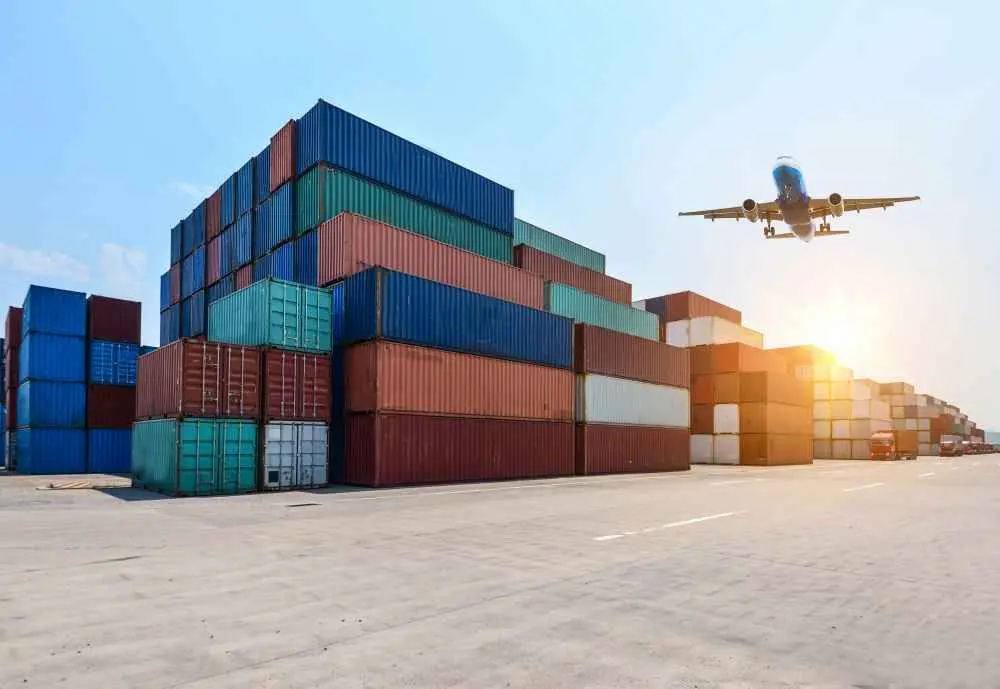
Air freight moves fast, but it’s not always smooth. Costs shift, space fills up, paperwork trips people up, and delays happen when you least expect them. That shouldn’t be taken to mean that air freight is unreliable in fact, it simply suggests that it requires good planning and the right partners.
- Key Challenges in Air Freight Forwarding
- High Air Freight Costs and Unpredictable Surcharges
- Capacity Constraints and Space Shortages
- Shipping Delays and Transit Bottlenecks
- Regulatory Compliance and Customs Clearance Issues
- Documentation Errors and Paperwork Challenges
- Cargo Security Risks
- Cybersecurity Threats in Digitized Air Freight Operations
- Cargo Handling, Damage, and Palletization Issues
- Tracking, Visibility, and Communication Gaps
- Environmental Impact and Sustainability Pressure
- How to Overcome Air Freight Forwarding Challenges
- Cost Optimization Strategies
- Capacity and Space Management Solutions
- Strong Regulatory and Documentation Management
- Enhanced Cargo Security Measures
- Technology and Digital Advancements
- Sustainable Air Freight Practices
- Why Choosing the Right Air Freight Forwarder Matters
- How TriRoute Shipping Helps You Overcome Air Freight Challenges
- Conclusion
Let’s walk through the real challenges businesses face with air freight forwarding, and what actually helps fix them.
key takeaways
- Air freight comes with challenges, but planning ahead reduces most risks.
- Clear documentation, visibility, and the right technology prevent costly delays.
- A reliable forwarder helps you stay in control when space, costs, or timelines shift.
Key Challenges in Air Freight Forwarding

Air freight is fast, but it has its pressure points. Prices fluctuate rapidly, availability can be completely gone in an instant, and simple errors in documentation can lead to postponement of shipments. Moreover, if we consider the aspects of security, cargo handling, and sustainable development, it will become even more obvious that air freight is a matter for meticulous planning rather than a snap decision.
High Air Freight Costs and Unpredictable Surcharges
Since air freight is costly by its nature, unexpected charges only make the situation worse. Additional charges for fuel, security, and peak season can increase the costs beyond your expectations. Without the proper preparation, you may find invoices quite puzzling.
Capacity Constraints and Space Shortages
Aircraft space isn’t unlimited. During busy seasons or global disruptions, cargo space disappears fast. Late bookings often mean higher rates or missed flights.
Shipping Delays and Transit Bottlenecks
Delays will happen even if the schedule is tightly packed. Weather, airport congestion and a missed connection, especially on a popular route, can cause delays.
Regulatory Compliance and Customs Clearance Issues
Different countries have different rules. Shipments can be held for various reasons at customs, such as missing permits, wrong classifications, or even outdated regulations.
Documentation Errors and Paperwork Challenges
One small mistake on an invoice or airway bill can delay an entire shipment. Air freight runs on paperwork, and accuracy matters more than speed here.
Cargo Security Risks
While air freight is generally secure, high-value cargo still needs careful handling. Poor packing or weak controls increase risk during transfers.
Cybersecurity Threats in Digitized Air Freight Operations
As systems move online, data becomes a target. Weak digital security can expose shipment details, pricing, or customer information.
Cargo Handling, Damage, and Palletization Issues
Improper palletizing or weak packaging leads to damage. Air cargo moves fast, and there’s little room for error once it’s in motion.
Tracking, Visibility, and Communication Gaps
When updates are slow or unclear, businesses lose confidence. Not knowing where a shipment is creates stress and poor planning.
Environmental Impact and Sustainability Pressure
Air freight faces growing pressure to reduce emissions. Businesses now feel the need to balance speed with environmental responsibility.
How to Overcome Air Freight Forwarding Challenges

Most air freight problems can be controlled if the correct method is applied. Planning, having the right paperwork, making more efficient use of technology, and packing smartly all help to lower risk. If companies keep a proactive attitude rather than a reactive one, air freight will be significantly more predictable and less difficult to manage.
Cost Optimization Strategies
Plan early. Avoid last-minute bookings whenever possible. Use consolidation when timing allows, and package smartly to reduce chargeable weight.
Capacity and Space Management Solutions
Work with forwarders who pre-book space and monitor capacity trends. Flexibility in routing also helps when space tightens.
Strong Regulatory and Documentation Management
Stay updated on customs rules and double-check paperwork before cargo moves. Clean documents save days of delay.
Enhanced Cargo Security Measures
Use proper packing, secure palletizing, and controlled handling processes. Insurance and security checks add peace of mind for valuable shipments.
Technology and Digital Advancements
There are fewer visibility gaps with digital tracking, automated documentation, and real-time updates. Good systems minimize guessing and accelerate decision-making.
Sustainable Air Freight Practices
Among the methods that we can use to reduce the carbon footprint without sacrificing the speed of delivery are choosing the most efficient routes, using lighter packaging, and selecting environmentally friendly options.
Why Choosing the Right Air Freight Forwarder Matters
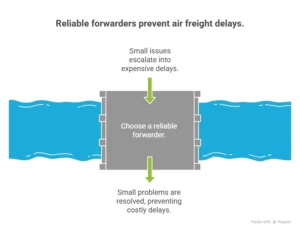
Air freight works best when someone’s watching every detail. A reliable forwarder spots issues early, manages paperwork carefully, and communicates clearly when plans change. That support keeps small problems from turning into expensive delays.
How TriRoute Shipping Helps You Overcome Air Freight Challenges
TriRoute Shipping supports businesses by focusing on planning, visibility, and steady communication. From space management to documentation checks and real-time updates, the goal stays simple — keep shipments moving without surprises. When challenges show up, having a forwarder who stays proactive makes all the difference.
Conclusion
There is no doubt that air freight forwarding has some real challenges, but none of those are such that they cannot be overcome. Actually, cost pressure, capacity limits, paperwork, and delays quite easily become manageable when you take the right approach. If businesses think ahead, select the proper instruments, and collaborate with the seasoned partners, air freight will still be a quick, dependable, and easily controllable means of transport even if things get messed up.
To learn more about air freight forwarding, explore our related blog articles!
- Air Freight Forwarding Guide
- What is Air Freight Forwarding?
- Types of Air Freight Shipping
- Step-by-Step Air Freight Forwarding Process
- What Affects Air Freight Rates?
- Things to Consider When Choosin an air freight forwarder