

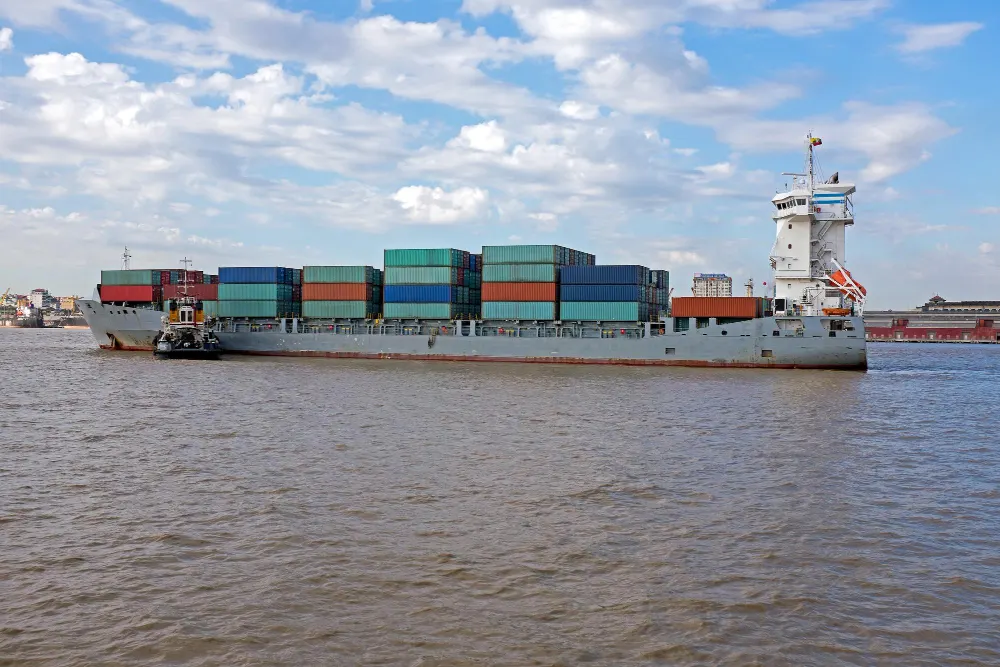
There’s some good news for businesses and shoppers in the UAE. Shipping through the Strait of Hormuz is becoming more stable again, and that could help bring down transport costs.
But don’t expect prices in stores to fall overnight.
Experts say it could take weeks—or even a few months—before lower shipping costs make a noticeable difference to everyday shopping.
Why aren’t prices dropping right away?
When shipping costs go up, businesses often pay more to bring products into the country. Those higher costs are usually reflected in the prices customers see on store shelves.
Even though shipping conditions are improving, many retailers are still selling products that arrived when freight charges were much higher.
Think of it like filling your car when fuel is expensive. Even if petrol becomes cheaper the next day, you’ve already paid the higher price for that tank.
The same idea applies to imported goods.
What changes first?
The first areas likely to see some relief are:
- Fuel prices
- Shipping and freight costs
- Transport-related services
After that, products that depend heavily on shipping—such as food, household items, and other imported goods—could gradually become more affordable if shipping costs remain stable.
Better news for UAE ports
Safer conditions in the Gulf are also expected to benefit the UAE’s logistics sector.
As shipping companies become more confident about using regional routes again, more cargo is likely to move through UAE ports. That helps improve the flow of goods and supports businesses that rely on imports and exports.
Still, shipping companies and insurers are expected to take a careful approach before returning fully to normal operations.
Freight rates may stay high for now
Although the route has reopened, freight prices aren’t expected to fall immediately.
Over the past few months, shipping companies have dealt with:
- Higher insurance costs
- Extra risk charges
- Route changes
- Operational delays
Many of those added costs won’t disappear overnight. Importers may need several new shipment cycles before they begin seeing lower transport expenses.
DP World gets ready for more cargo
DP World says it’s preparing for an increase in vessel traffic at Jebel Ali Port as shipping schedules begin to recover.
The company says its focus is keeping cargo moving safely while giving customers reliable logistics support during the transition.
A steady return of vessels would also benefit trucking, warehousing, regional distribution, and re-export activities across the UAE.
Oman and Iran support safe navigation
Another positive sign came from Oman and Iran, which both confirmed their commitment to keeping navigation through the Strait of Hormuz safe under international law.
The two countries also agreed to continue discussions on how shipping through the waterway will be managed in the future.
That could help build confidence among shipping companies using one of the world’s busiest trade corridors.
What shoppers can expect
For now, the biggest benefit is stability.
If shipping continues without major disruptions, businesses can plan better, supply chains can recover, and products are more likely to arrive on time.
Lower prices could follow—but they’ll arrive gradually as retailers replace older, higher-cost inventory with new shipments that cost less to transport.
A stable shipping route through Hormuz is good news for businesses across the region, but it also highlights how closely transport costs and everyday prices are connected.
Triroute Shipping, a logistics company in Dubai, keeps pace with changes that shape regional and global trade. Through freight forwarding, air freight, sea freight, land transport, warehousing, and customs clearance services, the company helps businesses manage shipments efficiently as market conditions and shipping routes continue to evolve.
Source: Gulf News — story by Nivetha Dayanand